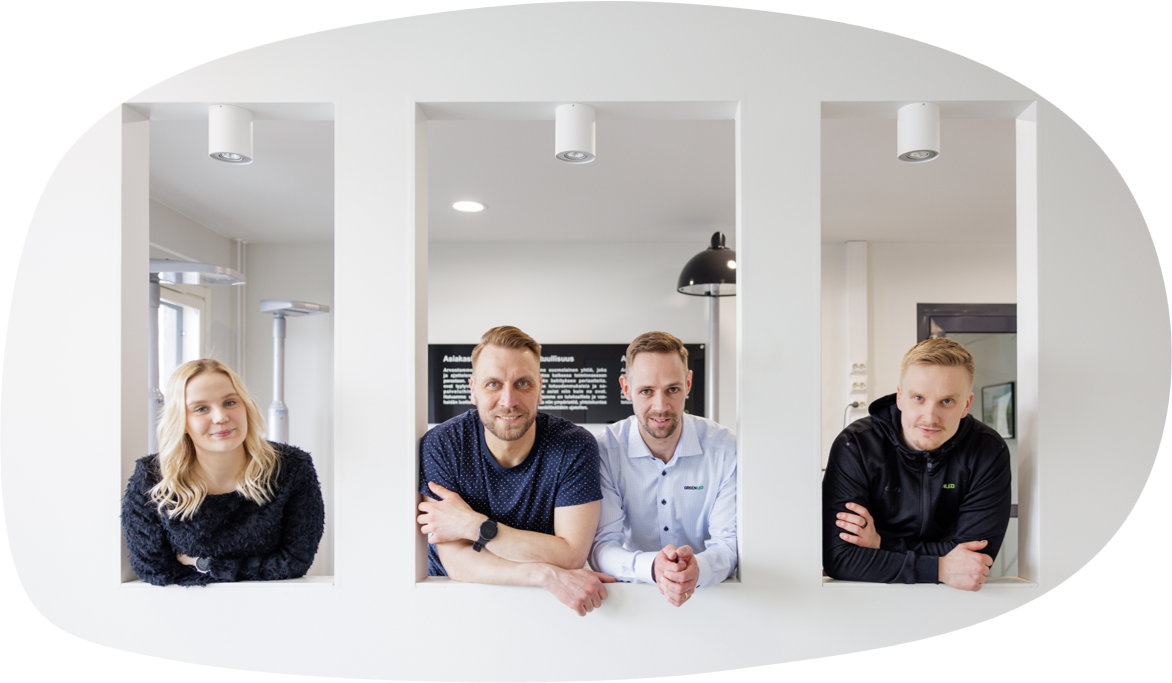
Valaistuksella voidaan vaikuttaa työntekijän vireyteen ja terveyteen
Millä kaikilla tavoin valo vaikuttaa ihmiseen? Voiko yritys tukea oikealla valaistuksella työntekijöiden tuottavuutta?


The lighting reform is a big decision that affects practically all staff. Intelligent lighting is available to all businesses, but the rapid change and new opportunities in the lighting sector are challenging buyers. The likelihood of purchasing a solution that will not serve you in the long run is higher than ever before. The articles on this page aim to help you find the right smart lighting solution for you.
In a world where people spend around 90% of their time indoors, artificially created environments are increasingly affecting our health and well-being . Intelligent lighting systems are not only energy-saving tools, but are becoming key elements in supporting human health, especially in adapting natural circadian rhythms.
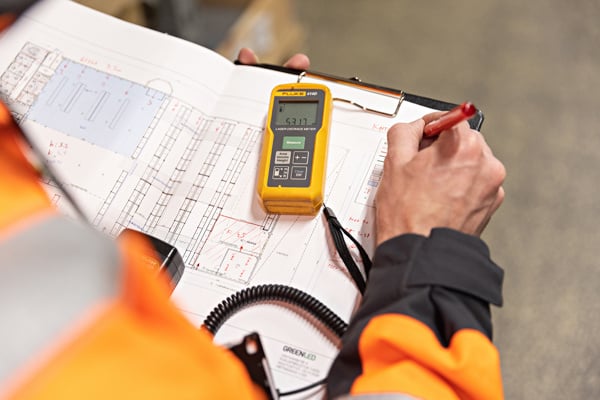
Energy efficiency has taken centre stage as property owners and tenants look for ways to reduce costs and meet tighter climate targets. One of the solutions with the fastest impact is smart lighting. It not only optimises energy consumption, but also improves lighting quality and adaptability to different uses.

Many working environments suffer from poor lighting. This directly affects workers' alertness, productivity and even health. Insufficient light costs our society billions every year. Read Professor Timo Partanen's interview to find out how lighting can affect workers' alertness and health, and discover tips for optimising lighting in workplaces.
Millä kaikilla tavoin valo vaikuttaa ihmiseen? Voiko yritys tukea oikealla valaistuksella työntekijöiden tuottavuutta?
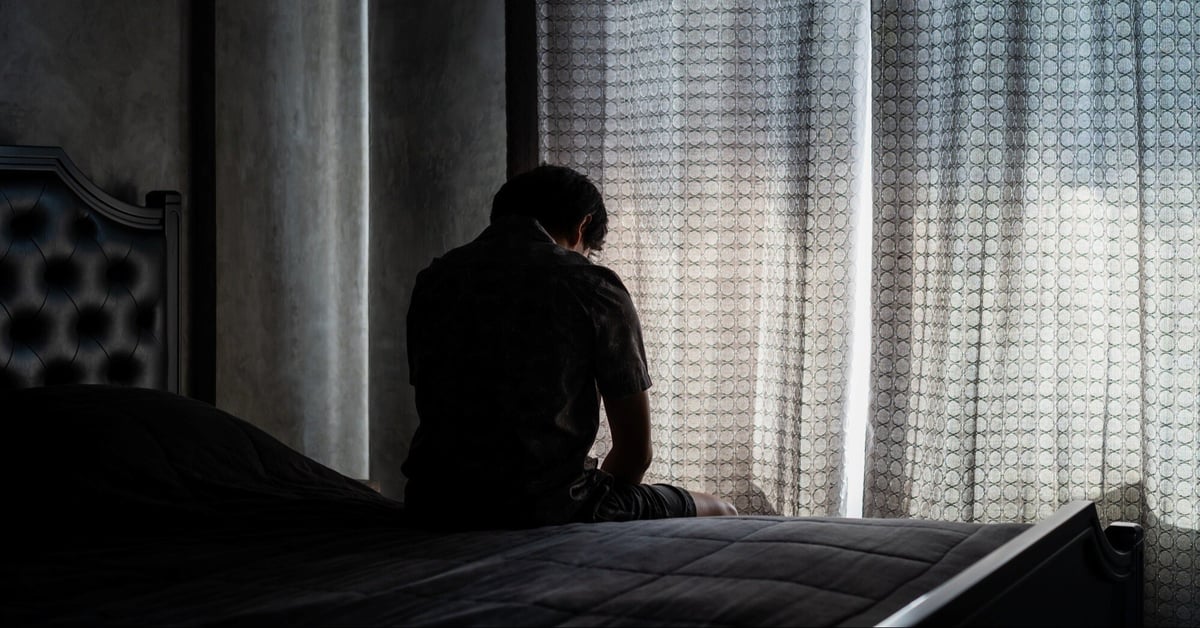
Huono valaistus maksaa kansantaloudelle miljardeja vuosittain. Oikeanlainen valaistus parantaisi terveyttä ja vähentäisi kustannuksia merkittävästi.
Intelligent lighting significantly extends the lifetime of LED luminaires, up to two or three times longer. Compared to LED tubes, the difference is even greater. When considering the investment cost, this can often be overlooked and lead to wrong purchasing decisions. Read more about the impact of control systems and correctly optimised lighting on the life cycle of luminaires.
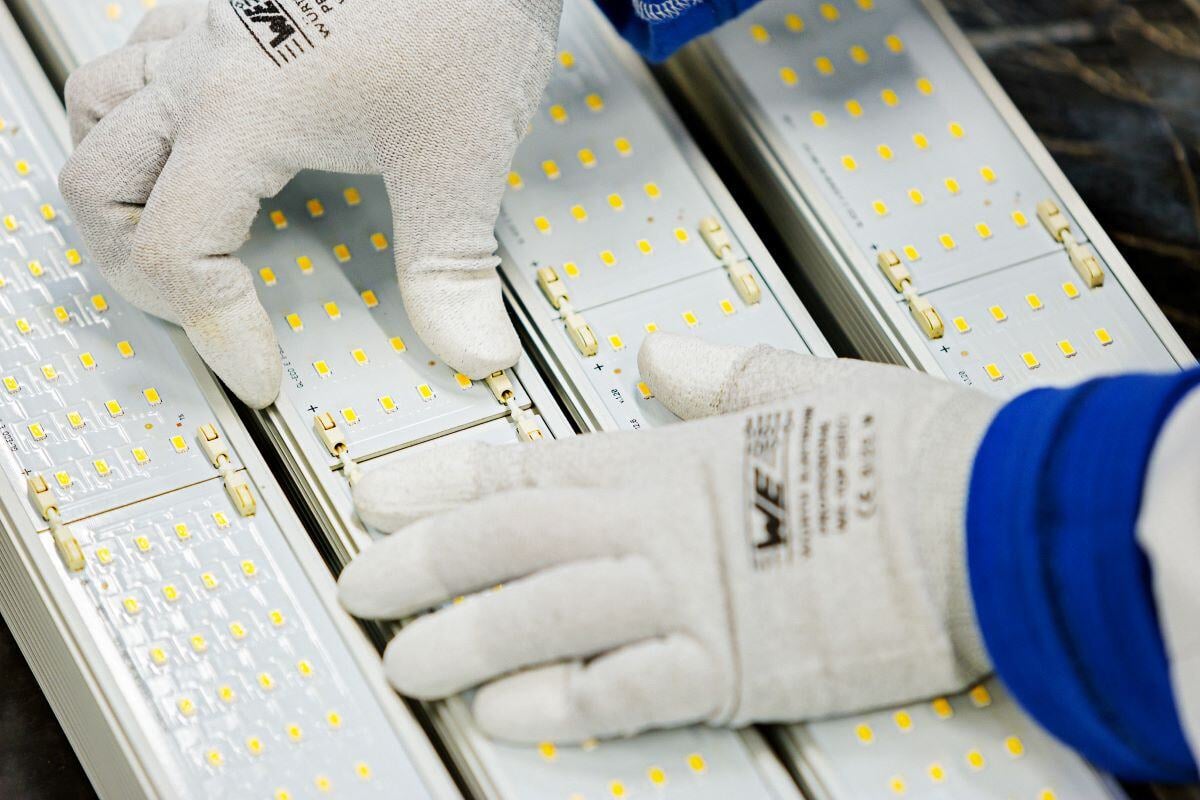
Increasingly intelligent lighting brings new opportunities, but also potential challenges. Unlike fluorescent tubes, LED luminaires are rarely maintained and can lead to unwanted supplier lock-in. The diversity of wireless systems also brings its own challenges. The future can be difficult to predict, so who should you jump on board? What questions should you consider when making a purchase?
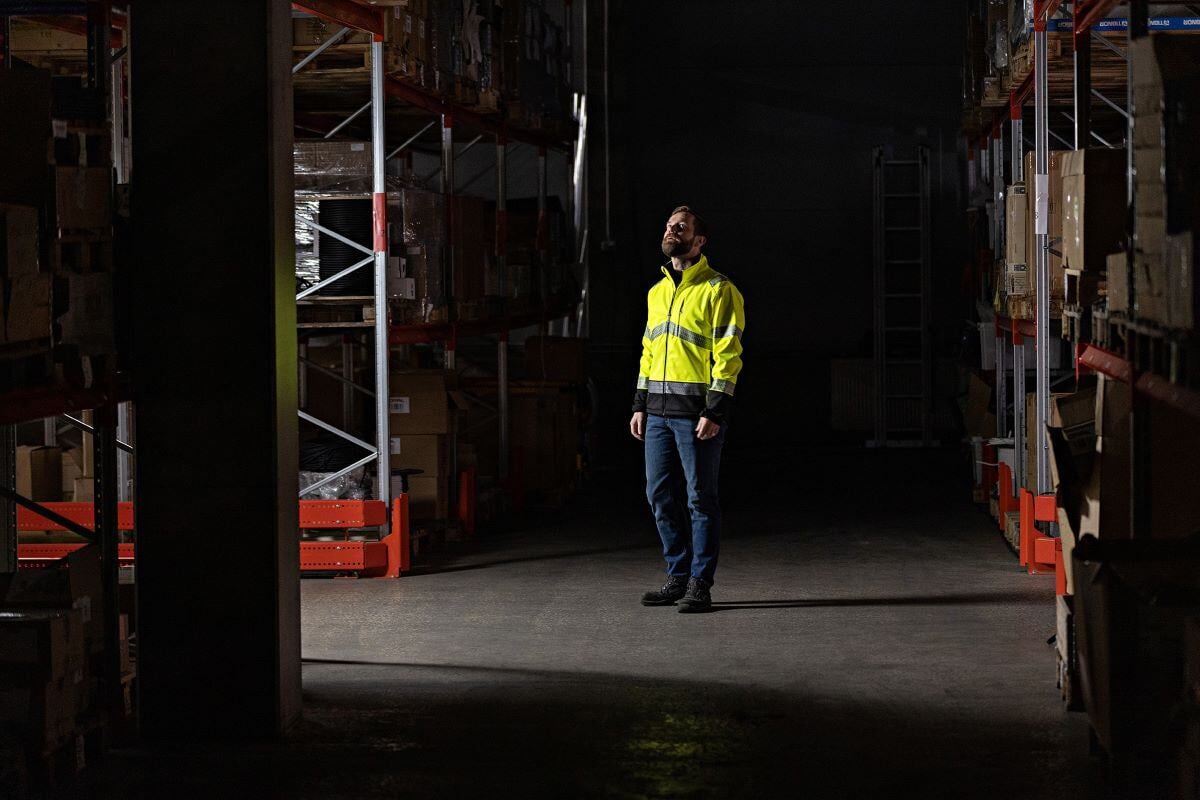
Lighting control systems are rapidly growing in importance and legislation is setting ever stricter requirements for their implementation. European Union energy efficiency directives and national regulations make lighting automation and control mandatory in certain buildings. But who will be affected by these requirements and how should you prepare for them?

Standards such as EN 12464-1 and WELL certification clearly define how lighting can support human well-being and circadian rhythms. Without the right knowledge of standards, it can be difficult to make lighting choices that support the well-being of workers and meet modern requirements. Check out our article to learn about the most important standards and certifications that will help you get a human-centred lighting solution.
Choosing the right lighting partner is an extremely important step in getting smart lighting that meets the needs of the future.